
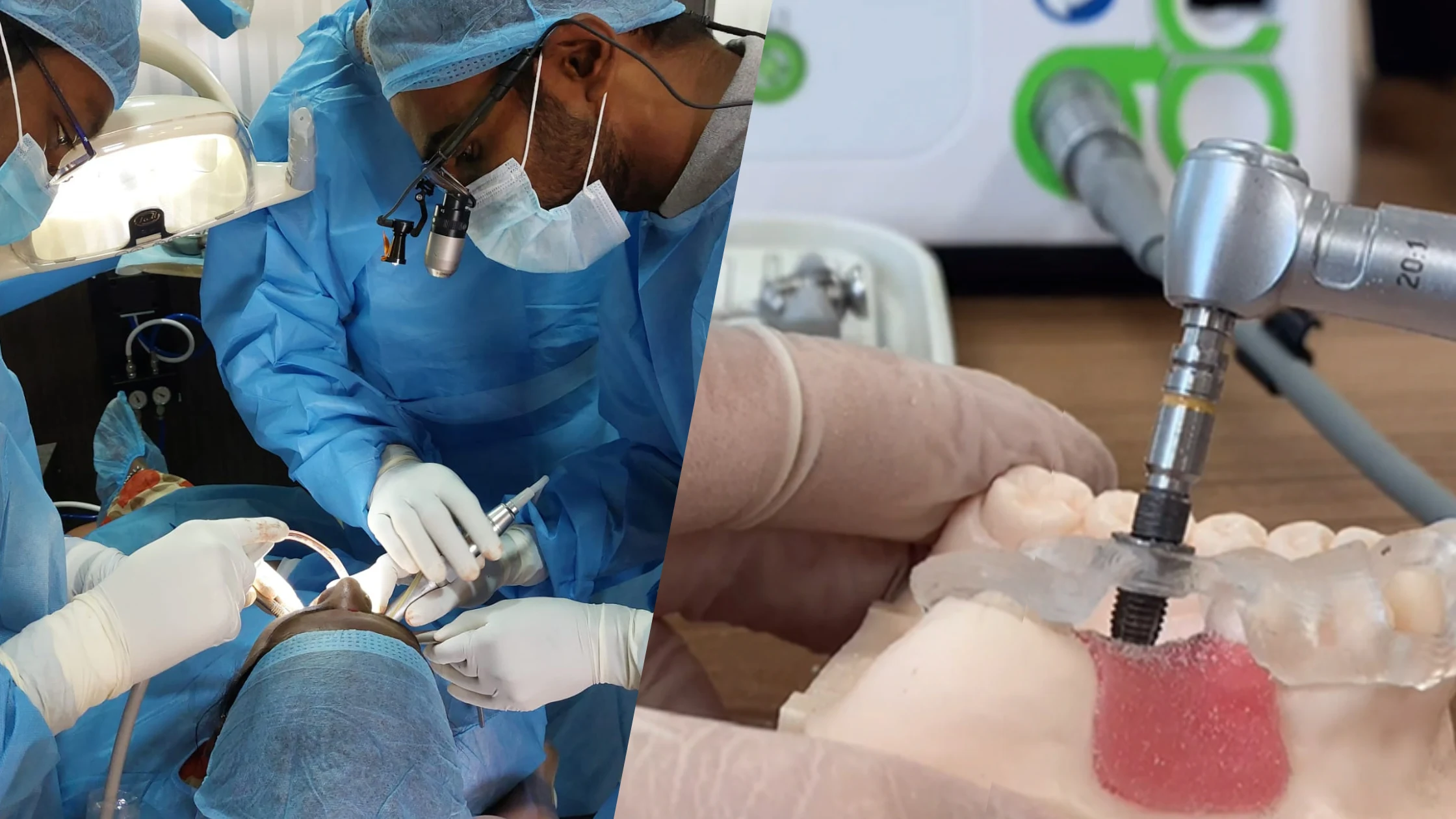
Learning Beyond Models and Cadavers
In contemporary dental education, the progression from theory to clinical competence is structured, deliberate, and multi-layered. Foundational skills are often introduced through models, typodonts, animal heads, or cadavers. While these tools play a significant role in early technical training, they have distinct limitations. A critical step in the development of a confident, capable clinician is the opportunity to perform hands-on dental surgery on live patients under structured supervision.
This shift from simulation to real-life practice is where learning deepens. Working with live patients introduces a complexity that cannot be fully replicated in a classroom setting. It challenges clinicians not only to apply their technical knowledge, but also to adapt to variations in anatomy, manage patient responses, and make decisions under pressure. These experiences are vital in preparing dentists for the realities of everyday clinical practice.
The Human Element
Patient interaction is central to dentistry. Hands-on experience with live patients helps clinicians develop communication skills, empathy, and emotional intelligence, qualities that are essential yet often underemphasised in purely technical training. Models and cadavers do not flinch, hesitate, or ask questions. Patients do. Learning how to manage expectations, build trust, and provide reassurance during treatment is as important as mastering the procedure itself.
Navigating Complexity and Uncertainty
Live patient treatment brings unpredictability. Whether it’s an anxious patient, an unforeseen anatomical variation, or a mid-procedure complication, these real-time scenarios force clinicians to think critically and act decisively. It’s within these moments that clinical judgment is shaped, and that growth in confidence and capability occurs.
Controlled settings such as typodonts or animal models serve their purpose, but they tend to present idealised or static versions of procedures. In contrast, clinical practice with live patients reinforces the importance of flexibility, preparation, and responsiveness, key traits in becoming a safe and effective practitioner.
Feedback and Reflection
Perhaps one of the most valuable aspects of working with live patients is the feedback loop it creates. Patients can communicate pain, concern, or satisfaction in ways that guide clinicians toward improvement. This feedback, combined with post-operative reviews and supervisor input, forms the basis for reflective practice. Over time, these insights contribute to greater technical accuracy, improved patient care, and more consistent clinical outcomes.
Ethics and Professional Responsibility
Live patient care also embeds important ethical lessons. Informed consent, respect for patient autonomy, and prioritising patient safety are not theoretical constructs, they are experienced in real time, with real people. This context is where professionalism is internalised. Treating a patient is not only a clinical task but a privilege that carries responsibility, accountability, and ethical sensitivity.
Safety Through Supervision
Concerns around risk in early clinical experience are valid. However, when structured within supervised environments and clear protocols, hands-on training can be delivered safely and responsibly. With experienced mentors present, students learn not only how to perform procedures, but how to recognise their limits, ask for guidance, and work within a framework that prioritises patient care.
Conclusion
While models and cadavers remain valuable in the early stages of dental education, they represent only part of the learning journey. Real competence is built through hands-on surgical experience with live patients, where technical ability, human connection, critical thinking, and ethics intersect. For dental professionals committed to delivering high-quality care, this practical exposure is not optional, it is essential.
At Advanced Dentistry Institute, we support dentists in making informed choices about their professional development by offering education that prioritises hands-on experience with live patients. Our programs are designed to bridge the gap between theory and real-world practice, delivering training that is clinically relevant, practical, and directly applicable to everyday patient care.